


Wodfix Pro
4.7523.00 Reviews
App Specs
- Version
- 1.1.8
- Updated On
- License
- Free
- Downloads
- 100,000+
- Developer
- Music Radio Official
- Categories
- Entertainment
- Platform
- Android
Screenshots
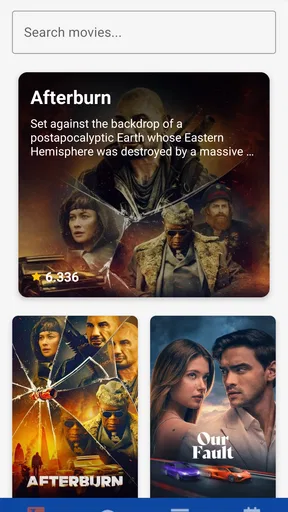
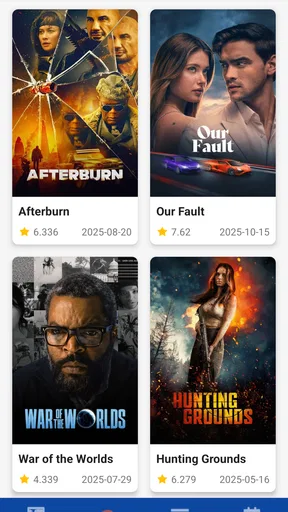
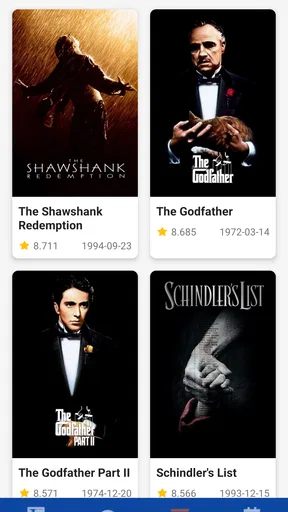
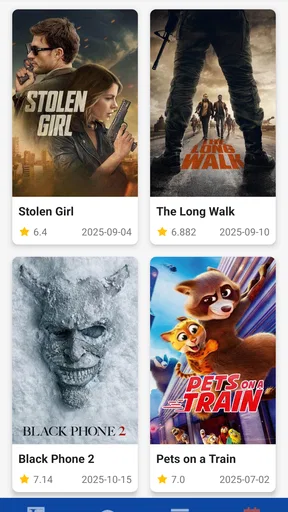
 Analysis by AppCompare
Wodfix Pro is an entertainment app that immediately caught my attention because it tries to bring classic, currently screening, and upcoming content into one place. That sounds simple, but the real test is whether a single destination remains useful after the first burst of curiosity. After spending time with it, I see the appeal: it is easy to understand, free to try, and aimed at people who would rather browse one focused catalog than jump between several entertainment services.
The app comes from Music Radio Official, although its purpose here is centered on film and television discovery rather than music listening. Its store short description is simply “Wodfix Pro,” while the longer summary presents it as a one-stop way to grasp older titles, current releases, and things still on the horizon. That positioning is important because this is best viewed as a discovery companion, not automatically as a replacement for every streaming service you already use.
It is listed in the Entertainment category, carries a Teen content rating, and is free. The current release is version 1.1.8, with support beginning at Android 7.0. Those details make it approachable for people using older Android hardware, though anyone sharing a device with younger family members should still treat the age rating as a reason to supervise use rather than assuming every listing is suitable for children.
What keeps the first week interesting
During the first week, the strongest part of the experience is the feeling of having a dedicated place to browse. Instead of opening a general-purpose streaming app and being pushed toward whatever it wants to promote, I found the concept of separating classic, current, and upcoming entertainment more useful for planning what to watch. It gives browsing a direction: revisit something familiar, investigate what is being discussed now, or make a note of a future release.
That structure is particularly helpful when I am not ready to watch anything immediately. Many entertainment apps are designed around instant playback, which can make them frustrating when I only want to remember a title or decide what deserves attention later. Wodfix Pro works better for that “what should I keep an eye on?” moment. I can use it during a short break, save a few ideas mentally, and return when I actually have time for a full viewing session.
A realistic everyday use case is a quiet evening when everyone in the household wants something different. Rather than opening several services one after another, I would use this app to create a short conversation starter: a familiar classic for someone who dislikes new releases, a currently discussed title for someone who wants something recent, and an upcoming option for the person who likes planning ahead. It does not solve the disagreement by itself, but it reduces the time spent searching without a clear purpose.
The first-week appeal also comes from its low commitment. Because it is free, there is no payment decision standing between curiosity and use. That makes it suitable for a quick trial, especially for readers who do not want another subscription simply to explore recommendations or release information. The trade-off is that free entertainment apps often need a clear personal routine to remain useful; otherwise they can become another icon opened once and forgotten.
Worth Reading Before You Choose

EA SPORTS FC Mobile 26 Is a Bigger Football Game, but It Takes Time

Flipboard Shows What News Apps Must Do Beyond the Feed

Switching to Android Auto Means Rethinking Your Driving Routine

Google Calendar Makes a Crowded Week Easier to Manage

Ludo King Makes the Most of the Minutes Between Plans

Baby Panda World Brings Quick Play to Modern Phones, but Its Game Library Feels Busy
My first practical tip is to avoid treating the whole catalog as a feed that must be consumed. I got more value by using the three time perspectives as separate browsing moods. Classic content works when I want something dependable, current content helps when I want to join a conversation, and upcoming content is better for planning than for immediate entertainment. That small change makes the app feel less like endless scrolling and more like a personal viewing shortlist.
Where it fits beside familiar alternatives
Compared with a conventional streaming platform, Wodfix Pro appears more useful for orientation than for replacing a full viewing library. Streaming services are usually strongest when I already know what I want to play and care about playback, profiles, watch history, and continuous viewing. This app’s attraction is the broader overview across different stages of a title’s life. If my main goal is to press play and continue watching, a dedicated streaming service will usually be the better first choice.
Compared with social media, it offers a more focused environment for entertainment browsing. Social feeds can surface what people are discussing, but they also mix trailers, arguments, advertisements, unrelated posts, and spoilers. A purpose-built entertainment app can be calmer when I want to investigate titles without being pulled into a general social timeline. The limitation is that social platforms may provide more immediate conversation and personal recommendations from friends.
It also differs from a general search engine. Search is excellent when I have a specific title, actor, or release question. Wodfix Pro makes more sense when I want to browse without a fully formed query. That is a meaningful distinction: search rewards precision, while this app is more valuable during discovery. Users who always know exactly what they want may find the dedicated browsing layer unnecessary.
Why the value may survive beyond the novelty
The app’s long-term value depends on whether its broad time-based focus becomes part of a habit. I would not open it every day merely because it exists. I would return when I am choosing between several viewing moods, trying to remember what is coming next, or looking for an older title that has slipped out of my usual recommendations. That gives it a realistic recurring role without pretending it needs to become the center of my entertainment life.
One useful monthly routine is to review the upcoming area at the start of a new month, then check the current section when I am ready for something recent. The classic area can act as a reset when new releases feel repetitive. This approach prevents the common problem of entertainment apps becoming passive scrolling tools. I am not trying to inspect everything; I am using the app at specific decision points.
Another practical workflow is to keep three informal lists outside the app: one title I want to revisit, one current title I might watch soon, and one upcoming title worth remembering. Since I do not want to rely on memory after a quick browsing session, writing down those choices in my normal notes app makes the discovery process more durable. This is a small extra step, but it turns temporary browsing into a repeatable viewing plan.
That workflow also reveals an important trade-off. The app can help me decide what deserves attention, but a discovery tool is only as useful as the action that follows. If I never record, watch, or discuss the titles I find, the browsing experience becomes its own form of procrastination. I recommend setting a simple limit, such as choosing only a few candidates per session, rather than collecting an endless queue.
The public response suggests that many people find the concept appealing: it holds an average rating of 4.7 from around 1.6 thousand ratings, with more than 500 written reviews and over 100 thousand installs. Those figures indicate meaningful interest, but they should not be confused with proof that it will suit every viewing style. A high average can tell me that the basic idea connects with users; it cannot decide whether I personally need another entertainment browser.
For someone who enjoys tracking the movement from older favorites to current releases and future possibilities, that recurring pattern is the app’s best argument. It gives me a reason to return that is not tied to one particular title. For someone who only watches through a single paid service and never browses outside it, the value will be much smaller.
The maintenance it asks from the user
The maintenance burden is not necessarily technical; it is mostly behavioral. I need to remember why I installed the app and use it at the right moment. If I open it without a question in mind, I can easily drift into browsing without making a decision. The best maintenance habit is therefore simple: open it when I need a viewing idea, a recap of what is current, or a reminder of what may be worth watching later.
I also recommend checking whether the app still fits the way I consume entertainment after a few weeks. If I am repeatedly finding titles but then moving to another service to verify availability, check details, or watch them, that extra switching can reduce the convenience. In that case, I would keep Wodfix Pro only if its overview saves more time than the additional steps cost.
Keeping the app updated is sensible, especially because the installed release is version 1.1.8 and the developer may refine the browsing experience over time. I would not update blindly on an older device, though. Since the minimum operating system is Android 7.0, compatibility is broad, but older hardware can still make any modern entertainment app feel less comfortable if navigation becomes slow or crowded.
My maintenance advice is to give it a defined job. Use it as a weekly or monthly discovery checkpoint, not as a replacement for your full entertainment setup. That makes the app easier to judge. If it consistently helps me choose faster or remember titles I would otherwise miss, it has earned its place. If it merely duplicates lists I already maintain elsewhere, removing it would be reasonable.
What can create fatigue over time
The first source of fatigue is repetition. Any catalog that groups content into familiar time categories can start to feel predictable if the browsing experience does not keep offering fresh reasons to return. I would notice this especially if the same titles remain prominent during several visits or if upcoming content becomes a list I glance at once and ignore afterward.
The second is the gap between discovery and access. Finding a title is not the same as being able to watch it immediately. If I have to move between Wodfix Pro, a streaming service, a rental store, or a search engine before deciding where the title is available, the app’s convenience depends on how much value I place on the initial overview. For users who want an all-in-one playback solution, that gap may be a deal-breaker.
A third issue is attention management. The promise of classic, current, and upcoming content can encourage constant checking, particularly for people who already spend too much time monitoring releases. I found the app more enjoyable when I used it with a purpose and stopped after choosing a few possibilities. Without that boundary, it can become another source of entertainment-choice fatigue rather than a cure for it.
The Teen rating is another reason to use personal judgment when browsing with family members. I would not hand the device to a child and assume the app’s entertainment focus makes every title appropriate. Parents and guardians should remain involved in what is selected, especially when the household includes different age groups and viewing preferences.
There is also a practical question about trust and continuity. A free app can be easy to install, but lasting value depends on whether its content organization remains useful as the entertainment landscape changes. I would judge it over repeated visits rather than deciding after one attractive session. The novelty is real, but the habit only survives if the app continues to reduce decision-making effort.
My long-term verdict on Wodfix Pro
Wodfix Pro earns lasting space when I use it as an entertainment discovery desk, not as a universal replacement for streaming services. Its strongest idea is the combination of classic, currently screening, and upcoming content in one focused destination. That makes it especially suitable for people who enjoy browsing, planning, and revisiting older favorites instead of choosing something only from the first row of a playback app.
I would recommend it to a viewer who often asks, “What is worth watching now, what should I revisit, and what should I remember for later?” It is also a sensible free option for someone who wants to explore the entertainment category without committing to another paid service. The broad Android compatibility and Teen rating make it approachable, though family supervision still matters.
I would skip it if my only requirement is instant playback, a carefully managed personal profile, or a single service that handles discovery, availability, and watching in one flow. In those situations, a dedicated streaming platform or a focused watch-list tool will probably create less friction. I would also skip it if I already have a reliable routine for tracking releases and never browse for ideas.
For me, the deciding factor is repeat usefulness rather than the excitement of a new installation. I would keep it installed if a short visit regularly helps me make a better viewing decision, particularly when I am torn between familiar and new content. I would remove it if it becomes a duplicate catalog that adds another step to every choice. That is a fair standard for any entertainment app, and this one is most convincing when it stays focused on helping me discover what deserves my time.
Overall, Music Radio Official has created a straightforward entertainment app with a clear browsing purpose. The rating of 4.7 and its user base show that the concept has found an audience, but my recommendation is still conditional: try it for its overview, build a small routine around it, and judge whether that routine saves time after the first month. If it does, Wodfix Pro becomes a useful companion for planning what to watch. If not, its free price makes the experiment low-risk, but not every interesting catalog needs a permanent place on your phone.
Pros
- Simple interface makes workout tracking quick and easy.
- Useful for organizing routines
- exercises
- and training schedules.
- Progress records can help users stay motivated over time.
- Suitable for different fitness levels and workout goals.
- Convenient access to training information from a mobile device.
Cons
- Some advanced features may require a paid subscription.
- Exercise guidance may not replace advice from a qualified trainer.
- The app may feel limited for highly specialized training plans.
- Performance can depend on device compatibility and app updates.
- Users may need to enter workout data manually for accurate records.
FAQs for Wodfix Pro
What is Wodfix Pro and what can I use it for?
Wodfix Pro is an entertainment-focused application designed to give users access to a selection of video content through a mobile-friendly interface. After installing it, users can browse available titles, review basic information, and choose what they want to watch. The exact catalog and available features may vary by region, app version, and the service’s current content agreements.
Is Wodfix Pro free to download and use?
The application may be available to download without an upfront charge, but that does not always mean every feature or piece of content is completely free. Some services include advertising, optional subscriptions, premium sections, or other limitations. Before registering or making a payment, check the pricing information shown inside the app and confirm the developer details on the official download page.
Is Wodfix Pro safe to install on Android or iPhone?
For the safest experience, download Wodfix Pro only from a trusted official store or a verified developer source. Avoid modified APK files, unofficial mirrors, and links that request unnecessary permissions. During installation, review the permissions carefully and keep your device and operating system updated. If the app is unavailable in your region, do not bypass store protections without understanding the security and privacy risks.
Does Wodfix Pro require an account or an internet connection?
Depending on the version and the features you want to use, Wodfix Pro may require an account, login, or access to certain device permissions. Streaming and most catalog functions generally need a stable internet connection, while offline viewing is only possible if the app officially supports downloads. Mobile data usage can be significant, so Wi-Fi is recommended for extended viewing sessions.
What should I do if Wodfix Pro does not work properly?
If Wodfix Pro crashes, fails to load content, or shows playback problems, first check your internet connection and confirm that you are using the latest version. Closing and reopening the app, restarting the device, and clearing temporary cache data can also help. If the issue continues, review the app’s support information and contact the official developer rather than downloading an unknown replacement.


